Advanced seismic and drilling technologies are opening previously inaccessible reserves. We analyze recent successes and what they mean for global supply.
The Gulf of Mexico has long been a cornerstone of U.S. energy production, but the easy‑to‑reach reserves are dwindling. In response, operators are moving into deeper waters and more complex geological settings. Recent discoveries in the Lower Tertiary trend and the Paleogene play have proven that significant oil remains, but extracting it requires cutting‑edge technology.
Full‑waveform inversion and imaging
One of the key enablers has been full‑waveform inversion (FWI), which uses supercomputers to create ultra‑high‑resolution velocity models. Combined with wide‑azimuth towed streamer surveys, geoscientists can now see beneath salt sheets that once obscured reservoir targets.
Drilling in extreme environments
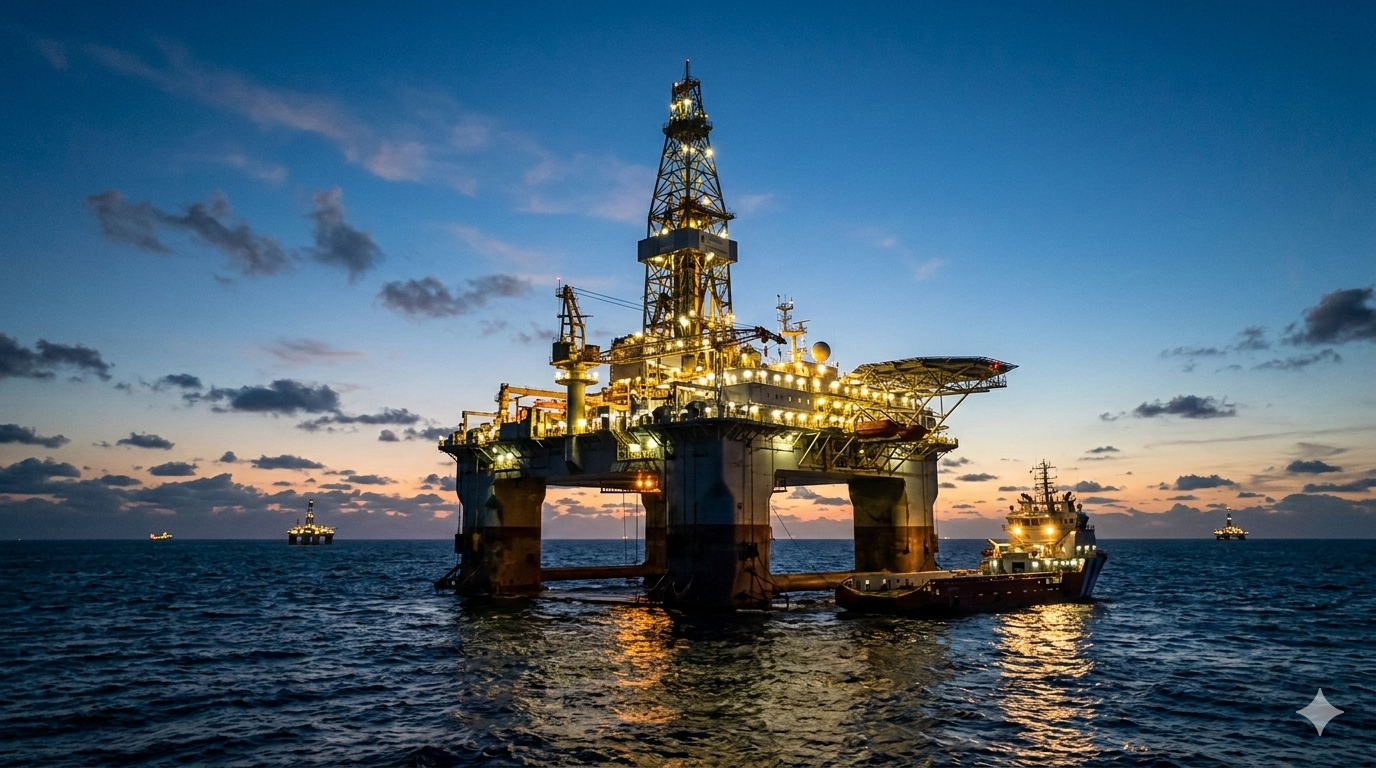
Once a prospect is identified, drilling teams face pressures exceeding 20,000 psi and temperatures above 350°F. New blowout preventer ratings and high‑temperature electronics have made these wells feasible. For example, the recent Trion discovery in the Perdido fold belt encountered more than 500 feet of net oil pay in Upper Miocene sands.
“The combination of advanced seismic and high‑spec drilling rigs has reduced exploration risk dramatically. We are now confident in pursuing targets that would have been considered too risky a decade ago.”
Implications for global markets
These deepwater discoveries are not just technical feats—they have real market impact. The U.S. Gulf alone could add over 500,000 barrels per day of new production by 2028, helping to offset declines elsewhere. Moreover, deepwater oil typically has a lower carbon intensity than many onshore heavy oil projects, aligning with ESG goals.
What’s next?
Operators are now exploring the ultra‑deepwater basins offshore Guyana, Suriname, and the Eastern Mediterranean. The technologies honed in the Gulf are being exported globally, opening new hydrocarbon provinces and ensuring energy security for decades.
Comments (2)
Great article! The detail on FWI was especially helpful. Do you think similar techniques will work in the pre‑salt plays offshore Brazil?
ReplyI've been following the Trion development – exciting times. Thanks for the clear explanation of the technology.
ReplyLeave a comment